
Phase 1 and Phase 9 are the two ends of the numbered range, and they are the cleanest pair to compare because the difference is easy to hear. Phase 1 gives you a small, bright sound set and the fastest route to a finished loop. Phase 9 gives you a larger palette in a still-bright frame, with more ways to fill a mix. Neither is harder to operate. Pick Phase 1 to learn, Phase 9 to build something ambitious, and run the same three sounds in both before you commit.
On this page
Test Phase 1 against Phase 9
Use the same three sounds in the same order in both builds. The goal is one sentence you could defend to another player.
What each page actually serves
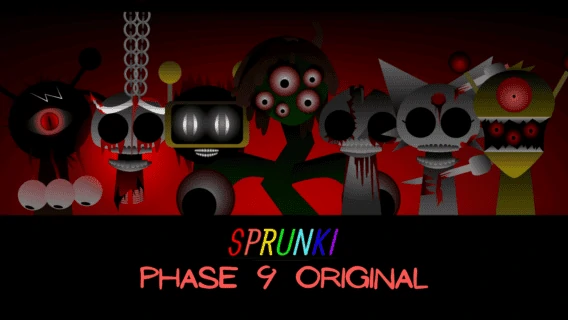
Phase 1 describes vibrant characters and soundscapes, and the player matches that: a compact cast, a readable screen and a mix that comes together quickly. Phase 9 advertises quirky characters and a variety of sound elements, and the player delivers a wider set of choices. Both pages are bright. If you were expecting Phase 9 to be the horror one, that expectation comes from video titles, not from this build — the darker sibling is the separate Phase 9 Horror Mod.
Compare them on one task, not on vibes
Use the same device, the same volume and the same order of sounds. Add one percussion layer, one melodic layer and one texture. Listen. Then remove the texture and listen again. In Phase 1 the removal is obvious. In Phase 9 the extra choices make the removal more interesting, because there is more for the remaining layers to sit against. That difference — not the art — is the real reason to move up to Phase 9.
Side by side
| What you compare | Phase 1 | Phase 9 |
|---|---|---|
| Sound choices | Compact set, quick decisions | Large set, more combinations |
| Screen | Bright, simple, low clutter | Bright, busier, more to scan |
| Time to a first finished mix | Fast | Slower, more experimenting |
| Risk of a muddy mix | Low | Medium; remove a layer before adding one |
| Good first session | Ten minutes | Twenty to thirty minutes |
| Best for | Learning the loop | A mix you keep |
The mistake most comparisons make
Most phase comparisons decide from a thumbnail or a video title. That produces a confident ranking with no listening behind it. A thumbnail shows the art direction of one frame, and a video title is written to be clicked. Neither tells you how many sounds a build gives you, how quickly the mix turns muddy, or whether the loop keeps time when you remove a layer.
The fix is boring and it works: pick three sounds, add them in the same order in both builds, and remove one at the end. Two minutes of listening beats ten screenshots. If the result surprises you, that is the interesting part and it belongs in your notes.
Two builds, one interface
Phase 1 and Phase 9 use the same slot-based interface and the same drag gesture. Nothing about the jump from 1 to 9 asks you to relearn where to click. The difference is the size of the sound set and how much the screen asks you to scan at once. That is why Phase 1 makes a better first session and Phase 9 makes a better second session: you spend the first ten minutes learning the interface, and the next twenty exploring the palette.
When Phase 9 is the wrong choice
Phase 9 is the wrong starting point if you have never finished a mix in this engine. More choices make it easier to add a ninth layer when the right move was to delete the eighth. It is also the wrong choice if you specifically want the horror palette, because the base build is bright and the horror treatment lives on a separate page. And it is the wrong choice if you only have five minutes: the larger set rewards a longer sitting.
What surprises people
Phase 9 is not automatically scarier. The base build is bright; the horror version is a separate page. This is the most common mismatch between a video thumbnail and the page a viewer lands on.
Phase 1 is not a demo. It is a complete build with a smaller palette. A short, clean mix made in Phase 1 can sound better than a crowded Phase 9 mix, because clarity beats quantity in this engine.
Phase numbers are labels. Nothing about the number promises a release order, a difficulty curve or a story timeline. The phase naming guide covers why in detail.
The five-minute version
If you have five minutes, play Phase 1. If you have half an hour, play Phase 9 and delete one layer every time the mix stops sounding clean. If you want the horror palette, skip both and open the Phase 9 Horror Mod, then read the normal vs horror comparison to hear what changed.
Where to go next
The full Phase 1 to 9 comparison puts every build in one table, Phase 3 is the Halloween entry most people mean when they say “the scary one”, and the games hub covers everything outside the numbered series. If you want a different kind of comparison, the remastered vs original test uses the same method on two versions of a single build.
Discuss Sprunki
Which game did you play, and how did your mix turn out? Tell us below.
Loading comments…